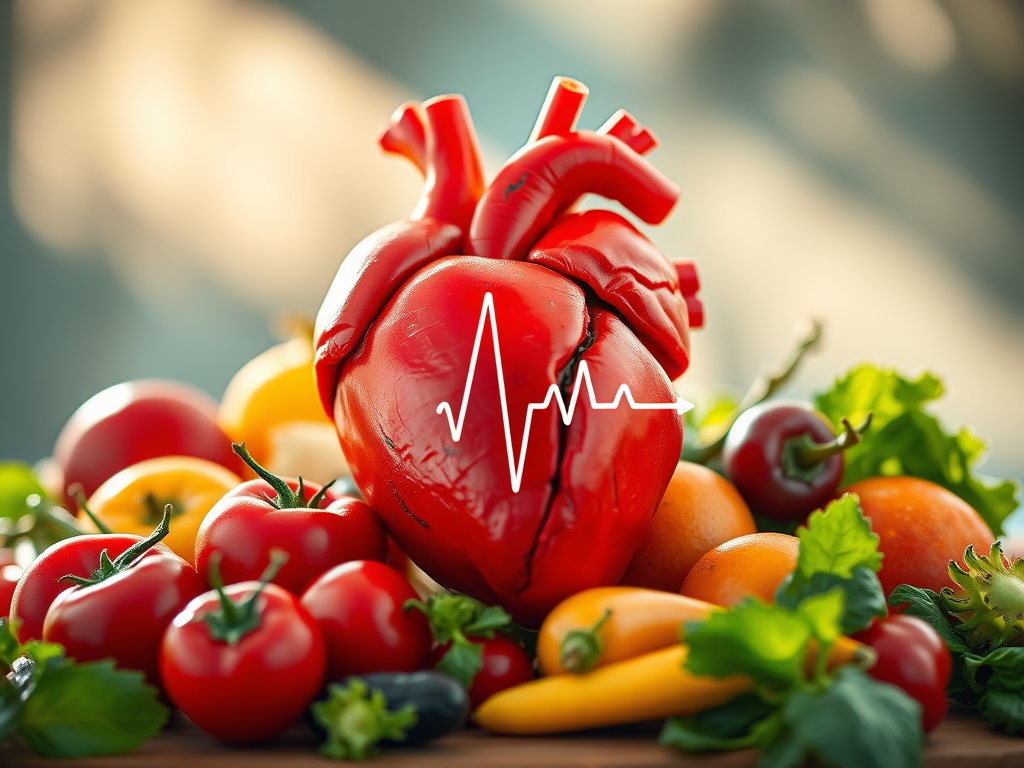
Cardiovascular disease remains leading cause of death globally. Understanding heart health prevention saves lives improves quality of life.
Understanding Heart Disease
Coronary artery disease develops when plaque blocks blood vessels. Heart attacks occur when blockages prevent oxygen reaching heart muscle. Strokes happen when brain arteries become blocked damaged. Heart failure means heart cannot pump blood effectively. Arrhythmias represent irregular heartbeat patterns affecting circulation.
Risk Factors Awareness
High blood pressure silently damages arteries over decades. High cholesterol builds plaque narrowing blood vessels. Diabetes damages blood vessels throughout body. Smoking directly harms cardiovascular system. Family history increases genetic predisposition significantly. Age obesity physical inactivity compound risks exponentially.
Nutrition for Heart Health
Mediterranean diet emphasizes fruits vegetables whole grains fish. Omega-3 fatty acids from salmon sardines support heart function. Fiber from oats beans lowers cholesterol naturally. Antioxidants in berries protect against cellular damage. Limit saturated fats trans fats processed foods. Reduce sodium intake preventing high blood pressure.
Exercise Benefits
Aerobic exercise strengthens heart improves circulation. Minimum one-fifty minutes moderate activity weekly recommended. Walking swimming cycling dancing count toward goals. Resistance training builds muscle supporting metabolism. Consistency matters more than intensity for beginners. Gradual progression prevents injury maintains motivation.
Blood Pressure Management
Normal blood pressure reads one-twenty over eighty. Regular monitoring detects problems early enabling intervention. DASH diet specifically designed lowering blood pressure. Stress reduction techniques lower readings significantly. Medication compliance essential when lifestyle changes insufficient.
Cholesterol Control
LDL cholesterol bad cholesterol clogs arteries. HDL cholesterol good cholesterol removes plaque. Total cholesterol should remain below two hundred. Statins effectively lower cholesterol when necessary. Plant sterols naturally reduce absorption. Regular exercise raises HDL levels.
Weight Management
Excess weight strains cardiovascular system. Body mass index between eighteen-five twenty-five optimal. Waist circumference indicates visceral fat risk. Gradual sustainable weight loss prevents rebound. Calorie deficit combined exercise proven effective.
Stress Reduction
Chronic stress elevates cortisol damaging blood vessels. Meditation mindfulness lower blood pressure heart rate. Deep breathing activates relaxation response. Regular sleep seven-nine hours essential recovery. Social connections buffer stress effects.
Smoking Cessation
Smoking doubles heart disease risk. Quitting immediately begins reversing damage. Nicotine replacement therapy doubles success rates. Support groups counseling improve outcomes. Benefits apparent within weeks quitting.
Alcohol Moderation
Moderate consumption one drink daily women two men. Excessive drinking raises blood pressure damages heart muscle. Red wine antioxidants provide minor benefits. Complete abstinence safest option many individuals.
Sleep Quality
Sleep deprivation increases heart disease risk. Seven-nine hours nightly optimal cardiovascular health. Sleep apnea requires treatment preventing complications. Consistent sleep schedule regulates body rhythms. Quality matters as much as quantity.
Regular Health Screenings
Annual checkups detect problems early. Blood pressure cholesterol glucose tested regularly. Electrocardiogram reveals heart rhythm abnormalities. Stress tests evaluate heart under exertion. Early detection enables timely intervention.
Medications When Needed
Statins lower cholesterol reducing heart attack risk. Blood pressure medications prevent strokes heart failure. Aspirin prevents blood clots high-risk individuals. Beta-blockers regulate heart rate rhythm. Medication adherence critical effectiveness.
Warning Signs
Chest pain pressure signals potential heart attack. Shortness of breath may indicate heart failure. Irregular heartbeat warrants immediate evaluation. Dizziness fainting suggest circulation problems. Immediate emergency care crucial suspected events.
Emergency Response
Call emergency services immediately suspecting heart attack. Aspirin chewing helps thin blood. CPR saves lives cardiac arrest. Automated external defibrillators restore normal rhythm. Time critical minimizing heart damage.
Lifestyle Integration
Small consistent changes create lasting habits. Set realistic achievable goals maintaining motivation. Track progress celebrating milestones. Family involvement increases success rates. Professional guidance personalizes approach.
Heart health requires proactive consistent effort. Prevention significantly more effective than treatment. Start today regardless current condition. Small steps compound into major health improvements. Prioritize cardiovascular wellness living longer healthier life.
Leave a Reply