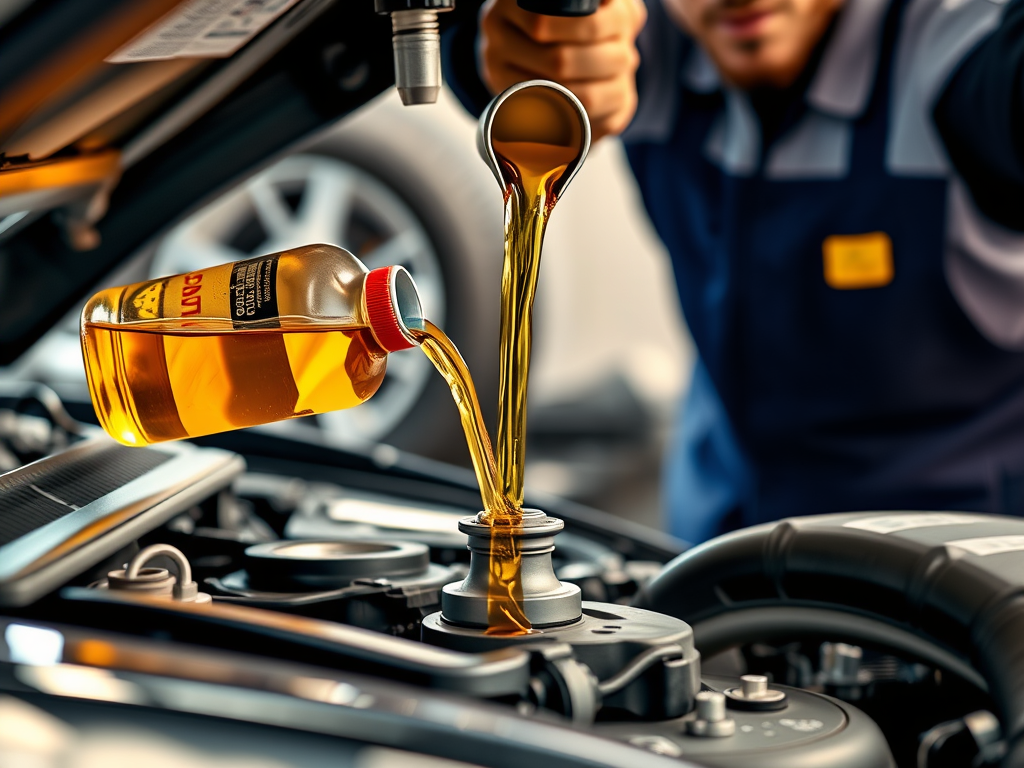
Regular car maintenance extends vehicle lifespan saves money prevents breakdowns. Understanding essential maintenance creates reliable transportation confident driving experience.
Engine Oil Changes
Why Oil Changes Matter:
- Prevents engine friction and overheating
- Removes harmful contaminants
- Extends engine lifespan significantly
Oil Type Comparison:
| Oil Type | Lifespan | Best For |
| Conventional | 3-5K miles | Budget |
| Synthetic Blend | 7-10K miles | Most vehicles |
| Full Synthetic | 10-15K miles | Performance |
Engine oil lubricates moving parts preventing friction heat damage. Conventional oil requires changes every three thousand five thousand miles. Synthetic oil lasts seven thousand ten thousand miles. Check owner manual specific recommendations. Monitor oil level monthly adding needed. Dark dirty oil indicates change needed. Fresh oil appears amber translucent. Low oil causes engine damage expensive repairs. Oil filter replacement accompanies every change removing contaminants.
Tire Maintenance Care
Proper tire pressure improves fuel efficiency handling safety. Check pressure monthly including spare tire. Under-inflation causes uneven wear fuel waste. Over-inflation reduces traction handling control. Rotate tires every five thousand seven thousand miles. Rotation ensures even wear extending tire life. Inspect tread depth using penny test. Two thirty-seconds inch minimum legal depth. Alignment prevents pulling steering problems. Balancing eliminates vibrations smooth ride. Replace tires showing wear cracks bulges.
Brake System Inspection
Brakes critical safety requiring regular inspection maintenance. Squealing grinding noises indicate worn pads. Vibrations pulsations suggest warped rotors. Soft spongy pedal signals air brake lines. Pull one direction implies uneven pad wear. Brake fluid flush every two three years. Contaminated fluid reduces braking performance. Inspect brake pads rotors calipers annually. Replace pads before metal-to-metal contact occurs. Brake system failure extremely dangerous immediate attention required.
Battery Health Monitoring
Car batteries typically last three five years. Clean corrosion battery terminals regularly. White powdery substance indicates corrosion buildup. Test battery voltage annually cold weather. Weak battery struggles starting engine especially winter. Dim headlights slow cranking warning signs. Extreme temperatures shorten battery lifespan significantly. Park garage protect battery temperature extremes. Jump-starting provides temporary solution replacement needed. Replace battery showing weakness preventing breakdown.
Air Filter Replacement
Engine air filter prevents dirt debris entering engine. Clogged filter reduces fuel efficiency engine performance. Inspect filter every twelve months fifteen thousand miles. Replace if visibly dirty restricting airflow. Cabin air filter improves interior air quality. Replace cabin filter annually prevent allergens odors. Clean filters improve gas mileage acceleration. Dirty filters strain engine reducing power efficiency. Filter replacement simple DIY maintenance task.
Coolant System Maintenance
Coolant prevents engine overheating freezing cold weather. Check coolant level monthly radiator reservoir. Low coolant indicates leak requiring immediate attention. Flush coolant system every thirty thousand miles. Old coolant loses effectiveness protecting engine. Inspect hoses clamps signs wear cracking. Leaking hoses cause overheating engine damage. Radiator cap maintains system pressure preventing boil-over. Overheating causes severe expensive engine damage. Temperature gauge warns potential cooling problems.
Transmission Fluid Service
Transmission fluid lubricates gears enabling smooth shifting. Automatic transmissions require fluid changes thirty thousand sixty thousand miles. Manual transmissions need changes less frequently. Check transmission fluid level monthly dipstick. Pink clear fluid indicates good condition. Brown burnt smell suggests overdue change. Low fluid causes slipping hard shifting. Transmission repairs extremely expensive preventive maintenance crucial. Follow manufacturer recommendations service intervals exactly.
Spark Plug Replacement
Spark plugs ignite air-fuel mixture powering engine. Worn plugs cause misfires poor fuel economy. Replace spark plugs every thirty thousand one hundred thousand miles. Platinum iridium plugs last longer conventional plugs. Misfiring engine runs rough lacks power. Difficult starting indicates worn spark plugs. Inspect spark plugs signs wear deposits. Gap measurement critical proper combustion. Professional installation recommended unless mechanically inclined. New plugs restore performance fuel efficiency.
Belt Hose Inspection
Serpentine belt drives alternator power steering air conditioning. Inspect belt cracks fraying glazing every oil change. Failed belt leaves stranded roadside immediately. Replace belt every sixty thousand ninety thousand miles. Timing belt requires replacement specific mileage intervals. Timing belt failure causes catastrophic engine damage. Hoses carry coolant fluids throughout vehicle systems. Cracked bulging hoses leak causing system failure. Replace questionable hoses preventing roadside emergencies.
Fluid Level Checks
Regularly check all vehicle fluids maintaining proper levels. Power steering fluid enables easy steering control. Brake fluid transmits pedal pressure stopping vehicle. Windshield washer fluid maintains visibility safety. Differential fluid lubricates drive axle components. Low fluids indicate leaks requiring professional inspection. Top off fluids using correct types specifications. Mixing wrong fluids causes damage system failure. Monthly fluid checks prevent costly repairs breakdowns.
Wiper Blade Replacement
Wiper blades ensure visibility rain snow conditions. Streaking chattering indicates worn blades needing replacement. Replace wiper blades every six twelve months. Extreme weather accelerates blade deterioration. Clean windshield regularly removing debris buildup. Quality blades improve visibility driving safety. Rear wiper requires replacement maintaining visibility. Winter blades handle ice snow effectively. Inspect blades before rainy winter seasons.
Lighting System Maintenance
Functioning lights essential safety legal requirement. Check headlights taillights brake lights weekly. Burnt bulbs require immediate replacement maintaining visibility. Foggy headlight lenses reduce illumination effectiveness. Restore headlights using cleaning kits polishing. Turn signals hazards communicate intentions other drivers. Interior lights aid nighttime vehicle entry. Replace bulbs matching correct specifications wattage. Proper lighting prevents accidents tickets citations.
Steering Suspension Care
Steering suspension systems ensure handling comfort safety. Unusual noises clunks indicate worn components. Excessive bouncing suggests worn shock absorbers. Pulling one side implies alignment issues. Inspect suspension components annually wear damage. Ball joints tie rods critical steering control. Worn components affect handling increasing accident risk. Alignment improves tire wear fuel efficiency handling. Suspension repairs improve ride quality safety significantly.
Exhaust System Inspection
Exhaust system removes harmful gases improving performance. Loud rumbling noises indicate exhaust leaks. Rust holes develop especially road salt climates. Carbon monoxide leaks extremely dangerous health hazard. Inspect exhaust system annually rust damage. Catalytic converter reduces harmful emissions meeting standards. Failed catalytic converter causes check engine light. Muffler controls noise reducing sound pollution. Exhaust repairs improve performance fuel economy emissions.
Seasonal Maintenance Preparation
Winter preparation includes antifreeze battery testing tire inspection. Summer readiness involves cooling system air conditioning checks. Extreme temperatures strain vehicle systems requiring preparation. Store emergency kit first aid supplies tools. Seasonal maintenance prevents weather-related breakdowns failures. Prepare vehicle before extreme weather arrives.
DIY Maintenance Safety
Perform simple maintenance tasks saving money time. Complex repairs require professional expertise tools. Safety first using jack stands wheel chocks. Consult owner manual repair guides procedures. Invest quality tools making maintenance easier. Know limitations seeking professional help needed.
Professional Maintenance Services
Certified mechanics diagnose repair complex problems. Dealerships provide manufacturer-specific expertise warranties. Independent shops offer competitive pricing quality service. Read reviews verifying shop reputation reliability. Request written estimates before authorizing repairs. Maintain service records resale value documentation.
Maintenance Schedule Tracking
Follow manufacturer recommended maintenance schedule owner manual. Digital apps track mileage service intervals reminders. Keep detailed records all maintenance repairs performed. Documentation increases resale value proves care. Consistent maintenance prevents costly breakdowns extending vehicle life.
Regular car maintenance protects investment ensures reliability safety. Preventive care less expensive than emergency repairs. Commit maintenance schedule enjoying dependable transportation years.


Leave a Reply